
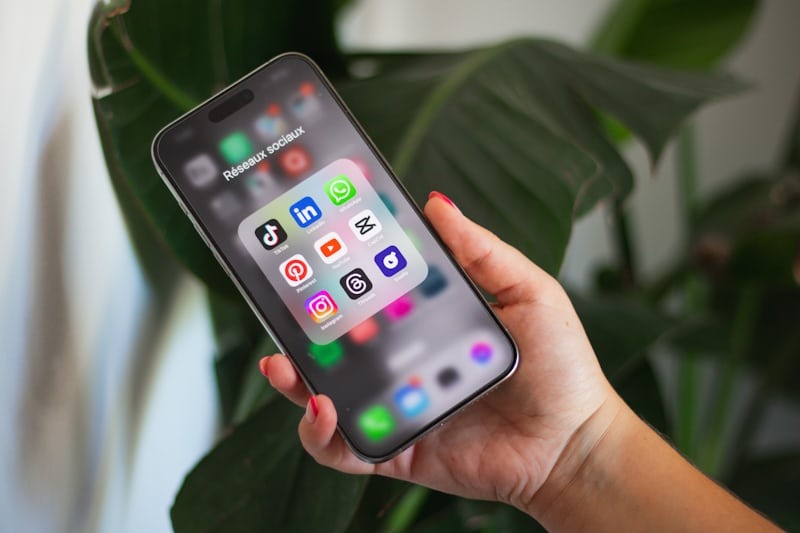
Learn how to build a personal brand on social media with 10 proven steps to grow your audience, build trust, and stand out online.
Think of social media like a big market. Everyone is there, selling, buying, talking, laughing, and sharing their lives. Now imagine you’re one of the sellers in that market. People are passing by your store. Some stop and look, some walk away, and some don’t even notice you at all.
What makes a person stop, look at you, and even come back next time? It’s not just your product or service. It’s how you present yourself. It’s the way you talk, the kind of vibe you give off, and how people feel when they see you.
That, my friend, is what personal branding on social media is about.
It’s not just about posting pictures or videos. It’s about creating an image of yourself that people can easily recognize, trust, and connect with. Whether you’re a business owner, a student, a content creator, or just someone who wants to stand out online, personal branding can open doors for you that you never imagined.
Table of Contents
What is Social Media Personal Branding?
Social media personal branding is like dressing up your online self so that people can easily recognize you. It’s not about wearing fancy clothes or having the latest iPhone, it’s about shaping how people see you. When you post online, you’re showing the world a version of yourself. That version can be random and confusing, or it can be clear and memorable. Personal branding is making sure it’s the second one.
It’s in your profile picture, the kind of posts you share, the way you write captions, the topics you talk about, and even the way you reply to comments. Everything you do online is part of your brand.
Think of popular Nigerians like Aproko Doctor, Taaooma, or Mr Macaroni. The moment you see their content, you know it’s them, even before you see their name. That’s the power of personal branding.
Steps to Build a Perfect Personal Brand on Social Media
1. Know Yourself First
Before you start posting anything, take time to know yourself. This is the most important step. Many people rush online and start posting random things because they want quick attention. The problem is, you can’t be everywhere and everything at once.
Ask yourself:
• What do I enjoy talking about?
• What am I good at?
• What do I want people to remember me for?
• What kind of feeling do I want my content to give?
For example, if you’re naturally funny, you can build your brand around humour. If you love cooking, your brand can be about sharing recipes and food experiences. If you’re passionate about business, you can create content about entrepreneurship.
When you know yourself, you won’t waste time copying others or forcing a style that doesn’t fit you. You’ll create content that feels natural, and people can sense when you’re being real.
2. Pick a Niche You’re Comfortable With
Social media is too big for you to try to do everything. If you post about tech today, fashion tomorrow, politics the next day, and then cooking the day after, people will get confused. They won’t know what to expect from you, and confused followers rarely stick around.
A niche simply means the main topic or area you focus on. It doesn’t mean you can’t talk about other things, but your main theme should be clear. Choosing a niche helps you attract the right audience. If someone follows you for makeup tutorials, they’re following you because they want more makeup tips, not random political arguments.
3. Choose Your Social Media Platforms Wisely
You don’t have to be on every social media platform. In fact, trying to be everywhere can burn you out. Instead, choose one or two platforms where your ideal audience spends the most time.
For example:
• Instagram is great for visual content like photos, reels, and lifestyle posts.
• TikTok is perfect for short, catchy videos.
• YouTube works well for long, detailed videos.
• LinkedIn is for professionals and career-related content.
• Facebook is great for building communities and reaching older audiences.
Let’s say you’re into fashion. Instagram and TikTok might be your best bet. If you’re into business tips, LinkedIn and YouTube could work better.
Once you choose, focus on understanding how that platform works, the trends, the algorithm, the type of content people engage with. Mastering one platform can bring better results than spreading yourself too thin across five.
4. Create a Strong and Clear Profile
Your profile is your online front door. When someone clicks on it, they decide in seconds whether to follow you or leave.
To make it strong, use a clear, high-quality profile picture. Write a bio that tells people exactly who you are and what you do and add a link to your website, portfolio, or any place you want people to visit.
Your bio should be short but powerful. Instead of writing “Just living life,” you could say, “Helping small businesses grow online | Digital Marketer.” That way, people know what you’re about instantly.
If you sell something or offer a service, make sure it’s obvious in your profile. Don’t make people guess.
5. Post Consistently
This is where many people fail. You can’t post once in January, disappear, then post again in April and expect results. Social media moves fast, if you disappear, people forget you.
Consistency doesn’t mean posting 10 times a day. It means having a schedule you can stick to. Even 3 posts a week can work if you do it regularly. When you post consistently, you stay in people’s minds. It also helps you get better at creating content because the more you do it, the more you improve.
6. Share Value, Not Just Content
One of the biggest mistakes people make on social media is posting for the sake of posting. They put up random selfies, repost quotes they don’t even believe in, or share trends without any connection to their brand. Yes, these things might get you likes sometimes, but likes without meaning won’t build a strong personal brand.
Value is what makes people keep coming back to your page. Value means your audience gains something every time they see your content. That “gain” can be knowledge, inspiration, entertainment, or even just a good laugh.
If you’re into fitness, instead of just posting gym selfies, share tips on how to do certain workouts, how to eat healthy on a budget in Nigeria, or how to stay fit during Ramadan. If you’re into fashion, instead of just showing your outfit, explain where you bought each piece, how you styled it, and how others can do the same without spending too much.
The trick is to give people a reason to save your post, share it with friends, or remember you when they face a problem your content can solve.
7. Engage With Your Audience
Social media is not TV. You don’t just broadcast and walk away. It’s a conversation, and conversations work both ways.
If someone comments on your post, reply. If someone sends you a DM (and it’s not spam), answer them. If someone mentions you in their story, acknowledge it. These little things make people feel connected to you.
Think of it like being in a market again. If a customer walks to your stall and says, “This shirt looks nice,” and you just ignore them, will they stay? Probably not. But if you smile, say thank you, and maybe even start a short conversation, they’re more likely to buy, and come back next time.
8. Stay True to Your Voice
Your voice is the way you speak to your audience. It’s your style, your tone, and your personality rolled into one. Some people are naturally serious and formal, others are playful and casual. Some tell stories, others get straight to the point. The important thing is to pick a voice that feels natural for you and stick to it. If you try to copy someone else’s style just because it works for them, you’ll eventually get tired, and your audience will sense the inconsistency.
For example, Aproko Doctor keeps his tone simple and straight, using relatable examples and easy language when talking about health. Taaooma uses humour to pass her message across. Both are effective because they fit the person using them.
9. Show Your Personality
Nobody wants to follow a lifeless account. Even if your content is educational or business-related, let people see your human side. Show behind-the-scenes moments, share little personal wins, talk about struggles you’ve faced, and let your emotions show sometimes.
If you run a fashion brand, you can post a short video of you sewing or packaging orders. If you’re a teacher, you can share a funny moment from class. If you’re a content creator, you can show how you prepare your videos.
When people feel they know you beyond your “professional” side, they connect with you on a deeper level. And that connection makes your brand stronger because you’re no longer just a name on their feed, you’re a person they feel they know.
10. Keep Learning and Improving
Social media changes faster than Lagos traffic lights. One month a trend is hot, the next month it’s gone. Algorithms change, platforms add new features, and audience preferences shift.
If you want your personal brand to grow, you can’t stay stuck in one way of doing things. Watch tutorials, follow industry experts, and study what works for other people in your niche. Try new content formats, if you’ve been posting only pictures, maybe start making short videos. If you’ve been doing only text posts, try adding images or infographics.
Learning doesn’t mean copying. It means seeing what’s working and adapting it to fit your style and audience. The more you learn, the more tools you have to make your personal brand stand out.
Which Social Media Platform is the Best for Personal Branding?
There’s no one-size-fits-all answer. The “best” platform depends on your audience, your niche, and the kind of content you enjoy making.
Here’s a simple guide:
• Instagram: for lifestyle, visuals, and a younger audience.
• TikTok: for creative, short videos that can go viral fast.
• YouTube: for long, detailed videos and tutorials.
• LinkedIn: for professional and career-focused content.
• Facebook: for building communities and reaching a wide age range.
• Twitter (X): for quick thoughts, opinions, and conversations.
The key is to choose a platform you enjoy using, because if you hate the process, you won’t stay consistent.
Example of Social Media Personal Branding
Let’s look at Aproko Doctor. His personal brand is simple, health education in easy language. You don’t need to guess what he’s about. His tone is friendly, his advice is practical, and he stays consistent. Because of this, he’s trusted by millions.
Another example is Dimma Umeh. Her brand is built around beauty, lifestyle, and elegance. Everything from her camera quality to her speaking style matches the image she wants people to have of her.
Both have different audiences and styles, but they share the same branding principles: clarity, consistency, and personality.
Conclusion
Building a personal brand on social media is not magic. It’s a process. You start by knowing yourself, picking a niche, choosing the right platforms, creating a strong profile, posting consistently, giving value, engaging with your audience, staying true to your voice, showing personality, and never stopping your learning. Do these steps well, and people will not only remember you, they’ll trust you, support you, and tell others about you. And that’s when your personal brand becomes powerful.

Boyo Michael is a Nigerian-born contractor engineer based in Benin City and the founder of ValueHubSpot.ng. He writes practical insights on business growth, digital marketing, personal branding, and financial opportunities for Nigerian entrepreneurs and professionals.